- Email: naturelab@tnc.org
-
Follow


Nature is the fantastic factory that makes the building blocks of all our lives—food, drinking water, the stuff we own and the air we breathe. That’s why The Nature Conservancy and its 1000+ scientists have created Nature Lab: to help students learn the science behind how nature works for us and how we can help keep it running strong.
Stay connected for the latest resources from Nature Lab
Don't miss new Nature Lab teaching guides and videos. Sign up to get the monthly Nature Lab newsletter with free environmental education materials for educators and families.
Download

Explore various environmental topics in your classroom all month long with the Nature Lab Earth Month educator guide.
DOWNLOADDownload

It’s spring, and the world is coming back to life! From puddles to pedals, these activities will help your entire family enjoy springtime.
DOWNLOAD
Resources for Building a School Garden
Want to start a school garden? Our lessons cover planning, building, and caring for your garden, plus a video on overcoming common student fears.
New Virtual Field Trip
Working Trees: Reforestation and Responsible Forestry
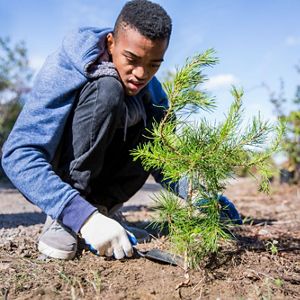
Forests represent a powerful opportunity to pull carbon dioxide out of the atmosphere, helping to cool our planet while also providing clean air, clean water and habitat for wildlife. We are increasingly seeing reforestation commitments from nations, corporations and individuals that are united by a desire to create a better future. Take a virtual field trip to learn about responsible forest management.